


One of the many amazing features of the Heart Zones’ Blink heart rate sensors is the built-in memory capability. There is no need for the participant to either be near the Bridge or if used as an individual, bring their smart phone when they workout!

During strength training in sports and in physical education class, how can one measure the progress of our most vital muscle?

In physical education, 50% of their grade is often effort. How can effort be evaluated without heart rate technology?

I believe our profession needs an awakening to the future. It is my belief that we must be inspired to rethink how we deliver physical education to our students in the automated world we live in. How do we, as physical educators, capture the interest, and the imagination of our students today?

Wearable fitness technology (heart rate sensors and activity trackers) can be valuable tools in schools for several reasons: Real-Time Feedback, Individualized Instruction, Motivation & Goal Setting…

How often has your physical education program been featured in the newspaper or on the local TV station? Here’s how to show your community the strength of your program now that you “don’t play games” but teach physical literacy and active movement.

Just like a secret agent staying cool under pressure, your body has an incredible ability to regulate its temperature without you even realizing it.
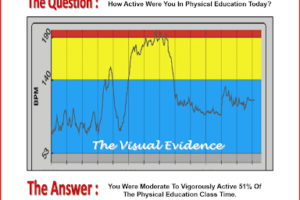
Using heart rate technology allows for accurate assessment for every student, using their personal and real time data from Heart Zones’ heart rate sensor, the Blink 3.0+.
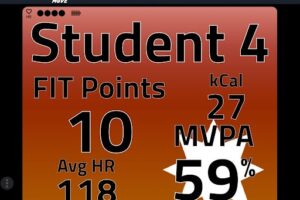
Did you know the CDC recommends at least 60 minutes per day of Moderate to Vigorous Physical Activity (MVPA) for adolescents? In 2015, the Every Student Succeeds Act (ESSA) began requiring states to report on how well each school is meeting this criteria. March 23, 2023

It’s March Madness and you know what that means for PE… It’s time to break out those familiar round orange balls and step onto the court for everyone’s favorite unit, basketball.
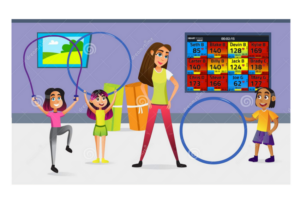
Not all kids dislike Physical Education (PE), but some may express negative attitudes towards it for various reasons. Some common reasons that kids may dislike PE include:

Exercise is an essential aspect of maintaining good physical health, yet there are still some individuals who have a dislike or aversion to it. There are several reasons why some people may dislike exercise,
** What is the Heart Zones Connect Portal? A portal is a software application that resides in the cloud. It is built as web-pages that display information in one location providing you with the security of a private log-in while allowing you to store, interact with, share, and do other activities in a single…
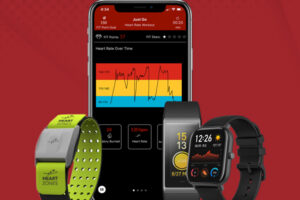
Check out your free sample lesson from our most popular book included in our curriculum sensor packs below!

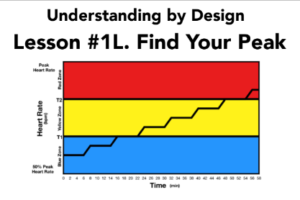
Check out your free sample lesson from our most popular book included in our curriculum sensor packs below!
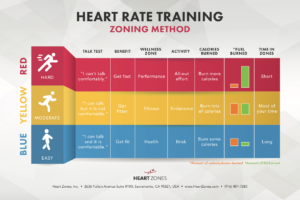
How can students and community stakeholders invest their fitness energy back into their homes and neighborhoods? Written by Beth Kirkpatrick, Heart Zones Director of Advocacy August 2022 There are several valuable steps to accomplish this outcome. First, for the fitness enthusiast, you should generate energy (aka burn calories) through physical movement activities of…

New Heart Rate Sensor Review: The Blink 3.0 Plus Heart Rate Armband The next generation of armband sensors, the Heart Zones Blink 3.0 Plus heart rate sensor is ANT+ enabled for group application and Bluetooth enabled for individual use. Either you may get started or enhance your training to the next level using Heart…
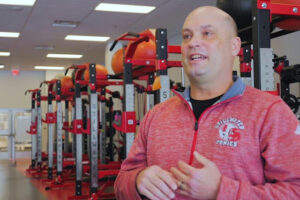
A Trailblazer you should know: DARRELL SALMI At a glance: High school PE teacher (25+ years) and assistant football coach at Stillwater Public Schools in Stillwater, MN. Butch Nash Outstanding Assistant Coach Award – 2019 Awarded Minnesota State Physical Education Teacher of the Year 2018 St. Croix Education Association Distinguished Teacher – 2017 TIES Technology…

“The Day in The Life of . . .” is the most powerful community outreach strategy for changing the minds of our community members as to what physical education is all about. This creative multi-dimensional lesson allows for physical educators to reach outside the walls of the gymnasium and into the hearts and minds of…

Imagine a new direction in physical education… Imagine having individual exercise data that was immediately sent to student records, the student, and the parents, each day from physical education classes. Today, the evolution of heart rate technology has revolutionized physical education and sports by allowing for more precise measurements and accurate evaluations. Our profession, and…
When triathlete, ultra-marathoner, and best-selling author Sal Edwards wanted to reshore assembly and packaging services for their latest business endeavor, s/he immediately thought of PRIDE Industries. Heart Zones, founded by Edwards in 1994, is a pioneer in the field of science-based heart rate training programs and devices. Among these devices is the Blink Armband,…
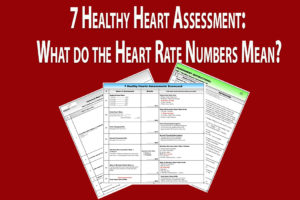
For the first time, the Physical and Health Education teacher, the coach, and the after school program directions are able to see live biofeedback on a student’s response to different exercise intensities. But, what if the numbers displayed on the visual Big Board are unusual? What if the heart rate numbers appear abnormally high or…

Adding the Physical to Social and Emotional Learning (SEL) PEL, Physical and Emotional Learning A New Construct for Physical Education Sal Edwards, Heart Zones CEO and Founder Social and emotional learning, or SEL, is a concept that provides valuable ways to learn cooperative and interdependent relationships with others. PEL, physical and emotional learning is an…
Reshoring Fitness Technology How Heart Zones is Bringing Jobs Back to the USA for Those with Disabilities Wearable, data-driven fitness technology motivates and empowers individuals Roseville, Calif. (August 14, 2021) – PRIDE Industries, the country’s leading employer of people with disabilities, will provide kitting and assembly services to Heart Zones, a pioneer in the field of…
Use Your ESSER Funding for Health and Physical Education to Promote Social, Emotional, and Physical Learning Funding is readily available for your school physical and health education program. It is easy to request. It is easy to get it. This is federal not local funding which has already been allocated to your school. Technology purchases…
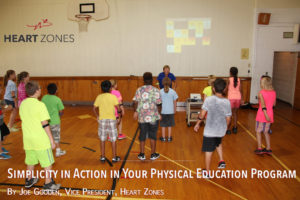
One of the questions that we receive from teachers that are interested in implementing Heart rate and activity tracker into their program is, “How easy will it be to use Heart Zones Move in my class.” My answer is always the same.
My journey as the pioneer of using heart rate sensors in the school setting begin in 1980. Since than I have been asked so many times: “Why do you think using heart rate sensors is so important”? Since the first few months of this journey utilizing heart rate sensors, the most important reason I realized was that I knew I wasn’t “guessing” anymore when I would encourage students to either go faster or slow down. Before having access to wearable technology it was especially haunting each fall and spring when all 550 of my middle school students ran the mile, and then later, complete the 20 meter cardio test.
Lessons From the Heart With Beth Kirkpatrick Earlier in the year Heart Zones pleasantly announced the return of Beth Kirkpatrick to the team. Not only does Beth bring decades of experience researching, funding and implementing wearable technologies into the physical education setting, but is passionate about how these products increase the service physical educators are…

MVPA IS ONE OF THE BEST Teacher Performance Tools As a department head, leader or individual teacher, one of your goals is to develop and support an effective physical education program. One of the best ways of accomplishing that goal is to incorporate the use of wearable fitness technology like heart rate and step tracking…

Part 6. You Have Nothing to Lose Part 1. Free and Quick Money for HPE Teachers The CARES Act (1) provides Coronavirus financial funding for technology in K-12 public and private schools. Within this legislation, K-12 public and private schools are allocated $13.2 billion for emergency funding called the ESSER Fund (2). This emergency funding to schools…
Part 5. The 8 Tips to Success from Adam Otstot, HPE Curriculum Specialist When the opportunity strikes, “ask” for it. That’s just what Adam Otstot, Health and PE curriculum specialist for the Hanover County Public Schools Virginia did when he first learned about the available funding for school technology and professional development training from the CARES Act. CARES Act…
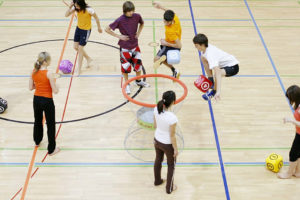
How Could a Negative Experience Impact Their Lifestyle? Simply put, if you enjoy doing something, chances are that you’ll do it again. That’s why it’s so important to create a positive PE class experience for your students. As physical educators, it’s our job to inspire youth to pursue healthy, active lifestyles—and that starts in our…
Part 4 — FAQ: Frequently Asked Questions about Emergency Dollars The CARES Act is a stimulus-funded federal government emergency grant in response to the Covid-19 pandemic. These dollars aim to be an immediate injection directly into your school’s purchasing office of money to address the current crisis. The ESSER portion of the CARES Act provides…
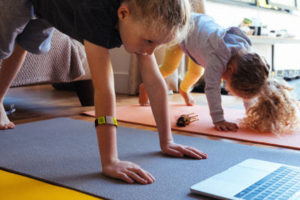
And How Heart Zones Can Help As schools face unprecedented circumstances amidst a rapidly changing world, physical education and K-12 programs continue to evolve in order to keep students motivated and engaged. Whether students are in an online PE class away from school, or participating in a hybrid program, it is important to leverage current…

And How Heart Zones is Different It’s not a secret that the EPOC method of exercise and training is a hotly debated topic within the industry. Popularized by OrangeTheory Fitness, EPOC exercise is used as a weight loss training method and leads people to believe they can burn off extra calories for 36 hours after…
Part 3 — The Story: How did a District Use CARES Act Money to Purchase Physical Education Technology? In December 2020, through the CARES Act, one of Virginia’s largest public schools invested $160,000 into wearable technology for online Physical Education for their 9-12th grades from Heart Zones. What were the steps to success? What…
Part 2. Ask. The Cares Act provides emergency funds for schools in response to the Covid-19 pandemic. Every single state in the USA still has millions of dollars that are available to schools now. If they move quickly, Physical Education and health teachers in every state can ask for these funds for their programs. The…
Free & Quick Money For PE and Health Teachers CARES[1] Act provides Coronavirus financial aid for K-12 public schools in need of technology. Within this $2 trillion legislation, K-12 public schools are allocated $13.2 billion for emergency funding called the ESSER Fund[2] for to respond to the impact that COVID-19 has placed on school programs.…
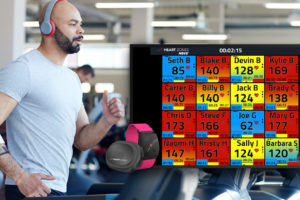
With Heart Zones Patented Technology Many avid fitness folks have been dedicated to treadmill running for years, but few see lasting results. Unfortunately, a lot of people continue with their semi-productive treadmill running workouts and begin to plateau. So, how do we fix that? If you share the Heart Zones mindset, you know it’s time…
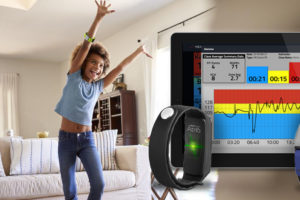
Our communities, schools, students, and teachers are facing unprecedented challenges including social distancing, sanitization protocols, shifting instructional formats (i.e., hybrid models, virtual programming) and fiscal responsibilities. As the COVID crisis continues, Heart Zones remains dedicated to stressing the importance of physical education. Two clear results of the current constraints in education are the spike in…
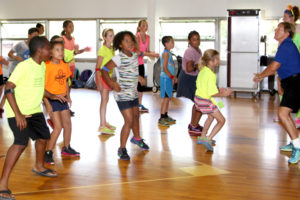
How Heart Zones Helped Collect the Data As fitness-focused technology pioneers and innovators, Heart Zones is on a mission to get America fit—and it starts in the classroom. Whether kids are engaging in person, or in a virtual or distanced learning environment, it’s important to provide PE teachers, schools, students, and families with tools that…
Dear Heart Zones Community, At Heart Zones, Inc., there is no higher mission than to positively care and support the health and wellness of those we connect with daily, especially our customers. Recent events surrounding the Coronavirus are making this mission of supporting and caring about our customers, suppliers, and friends more important than ever.…

Why You Need a Healthy Eating Plan We all know that food is a necessary part of life. Most of us eat 3 meals a day, and even have a few snacks in between. And while eating is something many of us don’t spend much time thinking about, the foods you choose have a HUGE…

With Heart Zones Curated Playlists Picture this. You’re on the last rep of a new personal record in the weight room, or you’re on the home stretch of your final lap around the track. Heart is pounding, sweat is pouring down your back, and your headphones are buzzing to the sound of a beat. We…

How An Active Lifestyle Can Improve Mood It’s safe to say everyone struggles with mental health from time to time, whether it’s general depression and anxiety, stress-related issues from the everyday, or trauma of some degree—we’ve all been there. However, there is strong evidence that a healthy, active lifestyle can have positive effects on mental…

How to Establish Healthy Exercise For Kids According to the American Academy of Pediatrics, 1 out of every 5 children in the United States struggles with childhood obesity. When looking at this astonishing statistic, it’s important to educate ourselves on childhood obesity prevention and healthy exercise for kids, making sure they can get fit, stay…

What MVPA Tells You About Your Students’ Activity Physical education is a crucial part of developing healthy lifestyles, and Heart Zones is dedicated to helping students develop a lifetime of fitness using personalized data through the Smart PE Movement™. Our mission is to teach students and train teachers how heart rate and other data points…
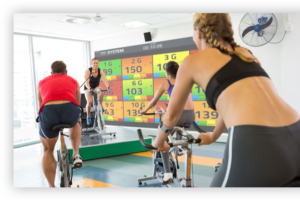
And How To Incorporate Heart Zones Training As the inventors and developers of zone training, Heart Zones is passionate about transforming your high intensity interval training by incorporating personalized fitness methodology and technology. Are you asking yourself, what is high intensity interval training and how can I optimize it using the Heart Zones method? High…

Trying to find ways to engage your physical education class? Here are some of our top fun PE games. As a physical education teacher, it can be difficult to find ways to engage your middle school students with PE games and lessons. Want additional lesson plans that will help you leverage wearable technology to keep…
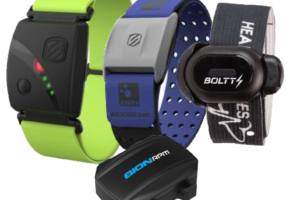
Push Yourself With Foot Pods & Zones to Reach Your Goals Whether you’re new to fitness, or want to switch up your current workout routine, there’s always additional ways to boost your performance. One way is to use exercise trackers, also known as fitness trackers, usually including foot pods and accelerometers. One of our favorite…

HEART ZONES CEO, SALLY EDWARDS, SHARES BOUTIQUE STUDIO TRENDS Heart Zones Founder and CEO, Sally Edwards, recently flew to the East Coast to explore seven different boutique studios across Boston and New York City. As boutique studios are currently trending—especially with younger demographics like millennials—Edwards wanted to see what all the hype is about. During…
This is Bret. He is the Fitness Director at Rollingwood Athletic Club in Fair Oaks, CA. He wanted to deliver a unique experience to his members. He found his solution: Heart Zones. Read his story below. Bret’s Success Story: “Prior to taking our classes, members are encouraged to undergo our…
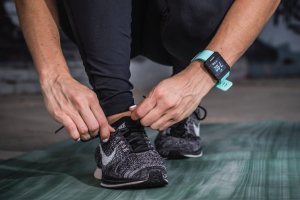
INTERVAL TRAINING FOR COMPETITIVE ATHLETES The first workout type in a high performance program is intervals. Intervals add variety both in your training and in your training benefits, adaptations, so you can most efficiently improve your fitness level. If you are not doing interval training as part of your schedule now, it’s me to start.…

HOW TO BURN THE MOST FAT Fat is burning in every heart zone. The percentage and total amount of fat burned changes in every zone. The change in the amount and percentage of fat burning depends on principally these three factors: • How fit you are • How hard you exercise • What is the…

METABOLIC FITNESS Avoid the numbers on your bathroom scale and pay attention, instead, to the numbers that mean the most: your cholesterol, your blood pressure and your insulin sensitivity. Those numbers reflect metabolic fitness. Metabolism includes all of your body’s energy activities, the chemical reactions and processes that occur every second of your life to…
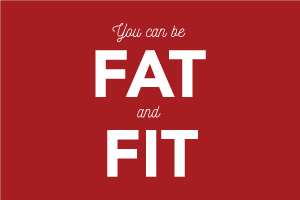
You Can Be Fat AND Fit ARE YOU A GREYHOUND OR A ST. BERNARD? If you have always been a little fat, yet you’ve cared for the three basic aspects of your health – physical, emotional/mental, and metabolic – then consider your specific biological makeup, your inherited genetics, and your individual physiology. Our genetic…
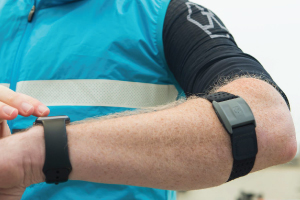
You don’t have to be thin to be healthy. You don’t have to be thin to be fit. You don’t have to be thin. If your genetic heritage, body type, and metabolism make you susceptible to gaining weight very easily, don’t feel bad. You could be one of evolution’s triumphs, successes. In prehistoric times, the…

Recovery period is one of the least understood and appreciated parts of the training tree, yet it is a critical part of your training phases or periods. (This recovery period is not to be confused with weekly recovery days where you may workout 5 days a week and recover for 2 days. It is also not…
Racing is a very tenacious branch. It’s as much psychological as it is physical. The demands are arduous because it requires constant testing, usually against other athletes as well as against your own goals and that great truth-teller – the clock. It requires constant recuperation and resting, too. I’ve been asked more times than I can…
This period of training is a favorite for many athletes. The peaking phase is the time when you put all of the other branches together into one: endurance, strength, and intervals. It is the variety branch. It is the time when you are incredibly fit and loving it. It’s the time when you get to…
If you want to race fast, train fast and train strong. This is the phase that builds upon the lower three branches by adding your first Red Line workouts with short or endurance intervals. It’s the branch where you start time trials at specific heart rate points to test improvement. It’s the period of seeing…
It’s time to add that all-important exercise stimulus: resistance training. Following many of the same principles that weight lifters use, athletes stimulate muscle power by applying appropriate resistance stimuli to the specific activity they are training for. That is, it is known that if you “overload” the specific muscle by repeatedly asking it to work…
This is the starting point of any training program. Base training is slow, easy, fun. It is the lower three zones; endurance training is the same as basic training. The purpose of spending time in the first branch is to develop your cardiovascular endurance to the point that you can easily sustain a workout without a…
Climbing trees has always been fun for me. Even as a kid when my three older brothers and I had a tree fort and played games in the fort, it was adventuresome. It’s the same today. I love to climb trees and I hope that you fall in love with climbing this tree because it…
If you’ve made it to the Red Line zone, with heart rates from 90% to 100% of your maximum heart rate, you have arrived at the top of the heap. Maybe we should say, if you’ve made it to the Z5 Red Line zone on purpose, you have arrived. Like the Threshold zone, this is…
Welcome to the Threshold zone! Even if you don’t choose to train in the Z4 Threshold zone, it’s a place you’re no doubt familiar with, though maybe you are unfamiliar with its name. Here’s a hint: this is also known as the “shortness of breath” zone. Sound familiar? It’s the zone where you feel the…
The Aerobic zone gives you the most “bang for your buck.” Here you’ll get the most benefits in the least amount of time. If you said, “I want everything from exercise,” this is your zone. The Z3 Aerobic zone gets you fitter, gets you faster, gets you thinner. That’s why it’s been touted for decades…
As a life-long athlete, I’ve never had the sort of intimate relationship with the fat battle that some people have, but a woman named Lisa brought reality home to me with her experience. “I was 135 pounds before the birth of my first daughter, but 210 pounds after the birth of my second. One day,…
The search has been on for the fountain of youth since before poor Ponce de Leon ever set foot on Florida soil, but it’s beginning to look like our goal is in sight. Ponce, a Spanish explorer who arrived in the new world in the 1500’s, may have died from the blood-thirsty mosquitoes, but many…
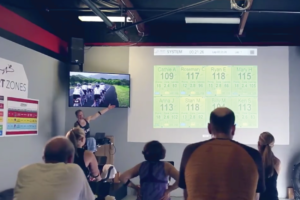
Heart Zones FIT Points Thanks to Ken Cooper, MD, writing the paradigm-shifting book Aerobics almost fifty years ago, the world has taken a giant step forward by following his exercise prescription of counting “aerobic points”. He carefully designed a new generation of exercise and sparked a revolution in fitness that was based on important principles,…

Using a Heart Rate Monitor to Screen for Heart Health in Physical Education© “One of the reasons I first became interested in the Heart Zones Move Solution was for its ability to ‘screen’ students for potential heart health challenges. A number of years ago, I had a 4th grade student go down in my PE…
TRAINING HEART RATE NOT TARGET HEART RATE Busting some myths is harder than others. Busting the target heart rate theory is more difficult than keeping off the twenty pounds from the last diet. Few succeed at keeping the weight off, but we’ll take a shot at target heart rates anyway. The target heart rate zone…

What is Maximum Heart Rate? Maximum heart rate is the highest number of times per minute your heart can contract. This makes sense, doesn’t it? It’s the heart rate at the point of exhaustion in an all-out short effort. You can continue to increase your intensity, but when you reach the maximum heart rate point,…
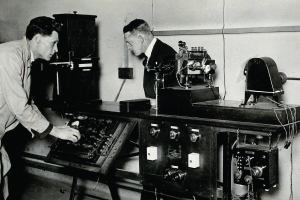
The Heart Rate Monitor: History & More The heart rate monitor was in the realm of sci-fi not so very long ago. Researchers started checking heart rates around 1912, using water buckets as counterweights in the first laboratory model. The first electronic heart-monitoring tool, the electrocardiograph, was originally the size of a room, and even…
Principle No. 5 of Heart Zones Training is a System. Once you pick the one that suits you, then you know where you are going to spend time in the heart zones. The KISS Principle (Keep It Simple, Stupid) isn’t easy when we’re talking about all the parts of the whole, then integrating that whole…
Principle No. 4 of Heart Zones Training: Wellness is a Continuum. The great science fiction writer Ray Bradbury once wrote about, “the naming of names,” the all-too-human urge to make sure everything has a handle for us to hold on to. We in the fitness industry are no different. In fact, think about the word…
Principle No. 3 of Heart Zones Training: You manage best what you can measure and monitor. This simple statement has become a mantra for American business over the last few years, and it needs to be a personal mantra for every one of us. Why? Think about it; many of our so-called “failures” in diets…
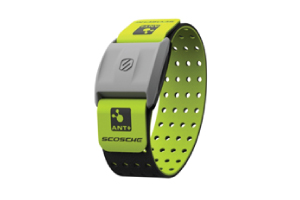
Prompt: How has wearable technology, such as heart rate monitors and other activity trackers, changed the way you approach your fitness? “Wearable heart monitors, blood oxygen readers, and activity trackers have extremely changed the way I see fitness. They have given me more areas to be aware of as well as a better range of…

Principle No. 2 of Heart Zones Training: Multiple zones give multiple benefits. Remember all those charts on the walls of aerobics or weightrooms, charts listing our “target heart rate zone”? Good. Now forget them. If we want the individualized benefits of Heart Zones Training, we’re going to forget about that single, set zone and concentrate…

Principle No. 1 of Heart Zones Training: Your sneakers are fitted; your training should be, too. Every fitness plan has the holy ground of principle: “Thou shalt not allow a cookie to cross thine lips”…“Thou shalt run ‘til thou drop”…“Thou shalt suffer pain, then gain.” Heart Zones Training, too, has its principles, but there are…
Here at Heart Zones, we want to educate you on everything related to heart rate training. We believe that the more educated you are, the more effective your workouts will be, and the healthier you will be! Heart rate training can seem intimidating at first if you aren’t familiar with it and heart rate jargon…
Whether you are aiming for a weight-loss or any fitness goal, it is always essential for you to listen and know what your body is telling you. As being one of the leading causes of death in the recent times, cardiovascular diseases are very much subtle in its whole form. Although you intend to say…
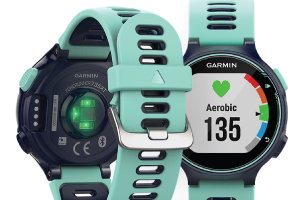
7 Steps to Using a Heart Rate Monitor Heart Zones Training with your mind-body link – the heart rate monitor – may seem confusing at first. You’ll be learning and discovering new ways of looking at the effort you put out, new ways of understanding fitness that you were never taught in your physical…

7 Steps to Using a Heart Rate Monitor Heart Zones Training with your mind-body link – the heart rate monitor – may seem confusing at first. You’ll be learning and discovering new ways of looking at the effort you put out, new ways of understanding fitness that you were never taught in your physical…

7 Steps to Using a Heart Rate Monitor Heart Zones Training with your mind-body link – the heart rate monitor – may seem confusing at first. You’ll be learning and discovering new ways of looking at the effort you put out, new ways of understanding fitness that you were never taught in your physical…
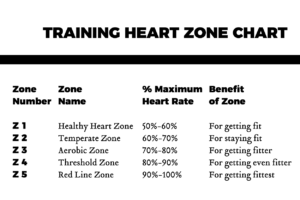
7 Steps to Using a Heart Rate Monitor Heart Zones Training with your mind-body link – the heart rate monitor – may seem confusing at first. You’ll be learning and discovering new ways of looking at the effort you put out, new ways of understanding fitness that you were never taught in your physical…

7 Steps to Using a Heart Rate Monitor Heart Zones Training with your mind-body link – the heart rate monitor – may seem confusing at first. You’ll be learning and discovering new ways of looking at the effort you put out, new ways of understanding fitness that you were never taught in your physical…
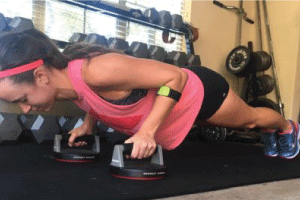
7 Steps to Using a Heart Rate Monitor Heart Zones Training with your mind-body link – the heart rate monitor – may seem confusing at first. You’ll be learning and discovering new ways of looking at the effort you put out, new ways of understanding fitness that you were never taught in your physical…

Emotional fitness is an important component of your overall health. Below are some negative circumstances and suggestions on how to counteract them. Emotional Area Emotional Fitness ZONING Activity Certain daily situations or people elicit from me the same negative emotional response. Try to identify and understand why this emotional response may be happening. When…
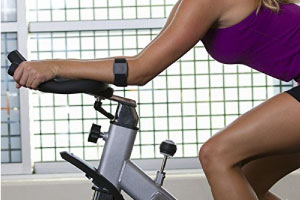
Rules of Cardio Training • Don’t overdo it. “No pain, no gain” is hogwash. The better expression is “No train, no gain.” Training in the heart zones achieves cardio benefits and has nothing to do with pain if you begin in the Blue zone (the easy zone). If you haven’t exercised routinely for a…

The Differences in Muscular Strength Between Men And Women You probably think that men are stronger than women. In fact, it depends on how you measure muscular strength. If you measure absolute strength, that is the total amount that an average man compared with an average woman can lift, then it is true. In…
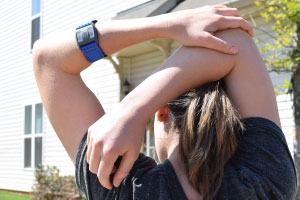
Static Stretching This is the most popular form of stretching. It is extremely effective for improving range of motion. Static stretching is a method of increasing your elasticity by slowly and deliberately lengthening a muscle to a fixed position. This position is usually one in which you experience mild discomfort. This position is maintained for…
Fueling Your Emotional Fitness Training Program Here is a list of emotional self-care issues you may want to consider in creating your emotional fitness goals. Consider each of these areas in your life. Are you getting the emotional fuel you need to provide the energy and happiness you desire in your life? 1. Sleep…

Balance your Fluids Drinking fluids is important for improving energy because fluids are important for normal physiological functions. Nutrients are stored in the body; water is not. Body fluids are essential for the transportation of energy, regulating body temperature and helping with chemical reactions. The process of maintaining your fluid balance is known as euhydration,…

6 BENEFITS OF PHYSICAL HEART ZONES TRAINING Why train the heart muscle? The reasons to train in the emotional and physical heart zones are to get healthier, more fit, and improve your performance. Why train with a heart rate monitor? One of the best reasons for using a heart rate monitor is to stay in…
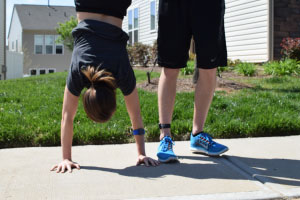
There are only three types of strength exercises: Isokinetic strength training: slow-moving exercises through a full range of motion against a constant force or resistance. Isotonic strength training: moving weight against resistance as in weight lifting. Isometric strength training: applying force against an immovable object, such as a wall. Because of its close association with…

**This post is one of several in an excerpt series from the book, Health in a Heartbeat by Dan Rudd & Sally Edwards** The Three Positive Nutrients: Fat, Carbohydrates, and Protein Fat is a wonderful source of highly concentrated energy. Fat and oils are dense in calories. In one gram you get nine calories…

**This post is one of several in an excerpt series from the book, Be a Better Runner by Sally Edwards & Carl Foster** TRAIL RUNNING: WHY YOU NEED TO HIT THE DIRT Nothing is better for improving foot and leg strength, enhancing overall body stability, and reducing the risk of running injuries than…

**This post is one of several in an excerpt series from the book, Be a Better Runner by Sally Edwards & Carl Foster** Stretching expert, Bob Anderson, recommends that you find four or five stretches that really help you and do them several times per day, including at bedtime. He recommends that you choose…

**This post is one of several in an excerpt series from the book, Be a Better Runner by Sally Edwards & Carl Foster** 11 RULES OF STRETCHING All runners know they should stretch, but hardly anyone really knows how to do it right. Here’s how to get the most out of stretching. 1. WARM…

**This post is one of several in an excerpt series from the book, Be a Better Runner by Sally Edwards & Carl Foster** Lifting weights is good for everyone of every age. But for maximum benefit, you must go into the gym the same way you do when you train for a race: with…
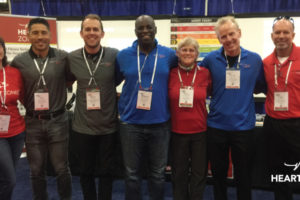
For Immediate Release: March 13, 2017 Sacramento, CA This past week, Heart Zones, Inc launched for the first time into the health club and fitness studio market at IHRSA 2017 in Los Angeles. IHRSA, the International Health, Racquet, and Sportsclub Association, is an international trade show featuring the best fitness brands and companies from around…
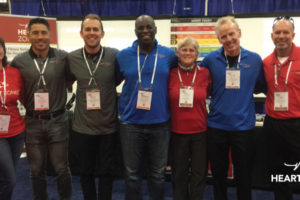
For Immediate Release: March 13, 2017 Sacramento, CA This past week, Heart Zones, Inc launched for the first time into the health club and fitness studio market at IHRSA 2017 in Los Angeles. IHRSA, the International Health, Racquet, and Sportsclub Association, is an international trade show featuring the best fitness brands and companies from around…

**This post is one of several in an excerpt series from the book, Be a Better Runner by Sally Edwards & Carl Foster** Common Cross-Training Alternatives I cross-train all year. It allows my running muscles rest while I train my other metabolic and physiological systems and my energy-burning capacity. CYCLING Cycling is a great…
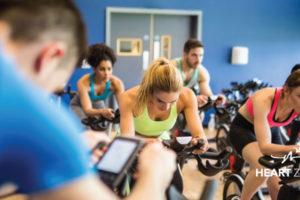
As we close in on IHRSA 2017 it is a great time for clubs around the country / world to be asking themselves great high level questions. One of those questions should be, “how are we going to start or continue to gain and retain members in 2017?”. Having worked with clubs of all shapes and…

**This post is one of several in an excerpt series from the book, Be a Better Runner by Sally Edwards & Carl Foster** Cross-Variability Training for Runners As names go, this one is long but logical, as it replaces your old moderate-paced running with a variable plan that alternates hard and easy days,generously uses cross-training, and progressively pushes…

**This post is one of several in an excerpt series from the book, Be a Better Runner by Sally Edwards & Carl Foster** The Black Hole for Runners It turns out that very fast runs are good for you—and that moderately fast runs (those just above threshold, in the Black Hole) are not. That’s because Black Hole…
Maybe you heard, maybe you didn’t, but last year the Smart PE Movement took off on the wings of the Heart Zones Move Solution. For those of you just now hearing the term “Smart PE”, get ready because Smart PE is the future of physical education, and the future is now! 3 things you need to…

**This post is one of several in an excerpt series from the book, Be a Better Runner by Sally Edwards & Carl Foster** How much are you really running? The threshold running system is really powerful because it adds something that no other running program incorporates: how much and how hard you are running. At its most…

I recently attended the 2017 CES (consumer electronics show) and what can I say, it is an experience unlike any other. The sheer number of people that participate in the event is staggering, but not surprising when you start to look at the quality of innovation they are coming to see or show off. I’ve…
In 2017, the proliferation of wearable technology is going to hit new highs, but the big question is will everyday users get the most out of their tech? In the end, myself and my team at Heart Zones, Inc, believe that the answer to that question lies in the ability of brands and fellow industry leaders…

**This post is the first of several in an excerpt series from the book, Be a Better Runner by Sally Edwards & Carl Foster** Introduction I’ve written twenty-two books, all on heart rate, running, and triathlons, but have been pestering Carl to coauthor a broad-based running and fitness book with me for at least ten years.…

Imagine it is the first day of school and there is a good buzz going around the school campus. There is talk about a new innovative, progressive program that will be implemented into physical education classes. Students, parents, and school staff members are looking forward to bringing technology into the physical education curriculum through the…

I am Confident, Healthy and Willing to Learn I am confident, healthy and willing to learn in every area of my life. I can handle this moment. I don’t know how to lose fifty pounds, but I can learn. I do not know everything about starting my dream business and I have the courage to…
Sacramento, CA (PRWEB) October 14, 2016 For the first 10 months of this year, Heart Zones, Inc has seen company wide growth hit record pace growing 400% year-to-date. The majority of that growth can be attributed to their recent investments in an exciting new group fitness technology dubbed the Heart Zones Move Solution. It is…

Preparing for Your First Open Water Triathlon Swim You’ve signed up for your first triathlon with an open water swim. Congratulations! When I ask friends why they don’t do triathlons, the most common answer is: “The swim.” Even for many triathletes, the swim is the part of the race that causes anxiety. Gone is the…

Is Just Showing Up Enough The pattern for success in many arenas (sports, work, school) is pretty simple. Just show up. Yes, the old adage really is trite and cliché but also equally true, to wit; – 80% of success is just showing up. Of course this begs the question, is it really necessary to…

Write your own book. What? You twist up your face and wonder if I’ve lost my mind. Stay with me here. Write your own book. I’m not kidding. Right now, start, this moment with a clean slate and nothing but blank pages to fill with expert advice to yourself. You are The Only Expert. You…

5 Tips for Training Successfully for Your First Triathlon “It’s all about the journey, not the outcome.” – Carl Lewis, 10x Olympic Medalist Congratulations for taking on the challenge of a triathlon — an event like no other physical challenge in sport — a swim, bike and run odyssey! I still vividly remember my first…
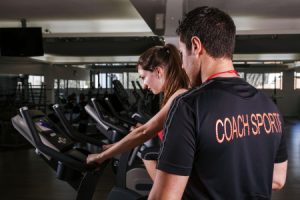
What Comes First in Finding the Right Personal Trainer? You You’ve finally made the decision to seek a change in your fitness level. You may be an active person who is looking to get to the next level or compete in an event. Or you may be a sedentary person who has never exercised before…
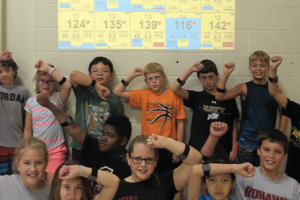
Congratulations Heath Mueller and St. Matthew School This June, the Heart Zones, Inc team is proud to acknowledge Heath Mueller and St. Matthew School for our Showcase School of the month. They have been using the Heart Zones Move Solution since August of 2015 and in that time, have been incredible pioneers for the Smart…
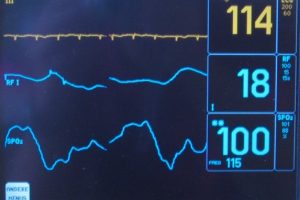
Max Heart Rate, Testing, Zoning for Conditioning Heart rate training is a very useful tool for make big gains in cardiovascular conditioning, provided it’s based on good effective estimations of what is appropriate intensity levels per the athlete/student. Max Heart Rate (MHR) can be measured accurately in the lab but is time consuming and fairly…
SWEAT, cycling and personal training studio, adds the Heart Zones Move Solution. FOR IMMEDIATE RELEASE STOCKTON, CA, 21 March 2016 – Indoor cycling and functional training just became much more personalized for members of SWEAT located in Stockton, California. Owners, Rodger and Lakeisha Williams, who opened Sweat Stockton Fitness Center in 2011, saw a way…
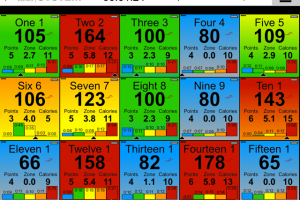
Wearable fitness technology offers solutions to educators and motivates students. SACRAMENTO, CA March 15 2016 – Physical education and health teachers are faced with a challenge to engage digitally savvy elementary, middle and high school kids in a 19th century classroom environment that hasn’t changed for 40 years. The Healthy People Initiative 2010 tasked these…

About 35 years ago, I started using heart rate data as a guide and the heart rate monitor as my companion for all my workouts. I used it to train and qualify for the 1984 USA Olympic Marathon Women’s Trials. Along with 200 of the fastest marathoners in America, I ran the qualifying time of…

USC Tennis: Player Development & using technology including Heart Zones Move Solution Kevin Epley has elevated three women’s college tennis programs into the top 10 national rankings during his career. Now in his fourth year at South Carolina, and twelfth year overall as a head coach, Epley’s unique training methods focus on player development, and…

Losing Weight after 40 is Easier than Running a Marathon Today I received a message from a training partner, who said to me: “I think there’s something wrong with my body. It used to be easier to lose weight and that’s seeming to change. I’ve been working my ass off, working out for a month,…

Swimming with Heart Rate It’s time to try swimming with Heart Rate again. About 20 years ago, I started using heart rate as a guide for all my workouts, as I swam, biked and ran my way through numerous Sprint, Olympic, Half-Ironman and Ironman distance triathlons. Heart Rate became my Coach. Heart Rate kept me motivated…
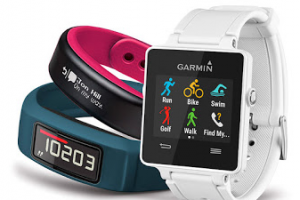
Twenty Tips to Maximize Your Investment in Wearable Activity Trackers for Corporate Wellness Programs It is estimated that by the year 2018, more than 13 million wearable fitness tracking devices will be incorporated into corporate wellness programs, up from 200,000 in the year 2013. 80% of employers with more than 1,000 employees, and 44% of…
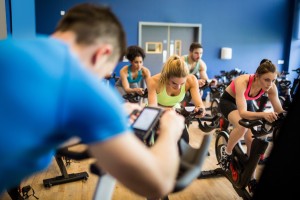
Training Effectively Indoors A common question I am asked is what is the best way to train/condition indoors on a stationary bike? My usual response is, “Well, what exactly are you training for?” There are as many variations and training methodologies as there are trainers and events out there. Which one is right? If you…
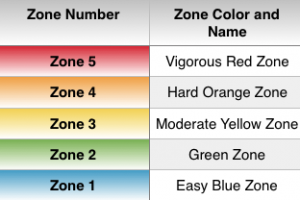
Training Load Points | Measuring Exercise Levels Heart Zones Training Load “Points” is the first simple way for you to quantify your exercise effort – how hard and how long you are working out. Points are the magic sauce of the Heart Zones Training system because for the first time you can now measure the quantity…
Our team at Heart Zones, Inc has been full steam ahead for 2015 and growing the Heart Zones Move Solution. As we near the end of the year it is a good time to reconnect with one of our early adopters and here the story that led them to the Heart Zones Move Solution! We…
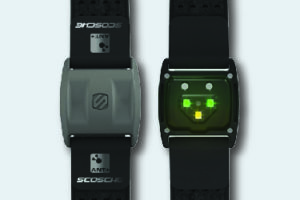
Fitness Technologies and the American Childhood Health Crisis When researchers see signs of heart disease in American children as young as 8 years old, it becomes clear that the issue of childhood health problems caused by obesity and physical inactivity cannot be ignored. We propose that some of the most effective solutions to this crisis…
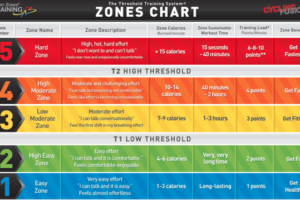
Why to use Threshold for Heart Rate Field Tests By: Sally Edwards Many of you have asked for my recommendation on the Pacer test and using heart rate testing on students. After having spent 30 years field testing kids and adults to set zones, I strongly support the Threshold methodology in school PE over Max…

As Heart Zones, Inc continues its large scale investment into the world of Physical Education, the team has decided to host a PE Certification Class in order to provide continued education to those teachers who are already using the new Heart Zones Move Solution, as well as provide a place for interested candidates to come,…

Kay Mamo is a Level 3 Certified Heart Zones Trainer and is impacting many lives through heart rate training. Meet Raymond Kropp, one of Kay’s clients and friends. Raymond is 68 and has found threshold heart rate training at a time in his life when he needed it. This is his story, in his words.…
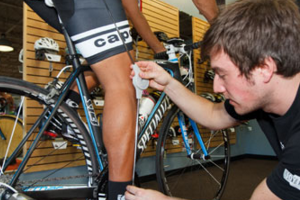
Cycling for Beginners Road cycling for beginners can be very challenging and down right frightful (especially in big cities with traffic). Always take precessions and ride with someone who has experience and as always seek medical clearance for any program. Now, as for you beginners…I want to help. Here are few basic guidelines that will…

Cycling Training Plan for Serious Riders I am always asked to develop a basic training format for cycling. Well, the truth is, that each training program I put together is designed for the individual….However, fear not, there are some basic elements that are common for everyone, beginner or not (see below). I know this looks like…
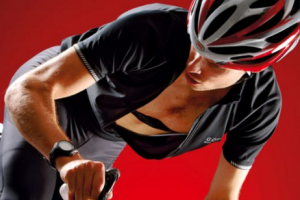
Heart Zones Cycling workouts Cycling workouts really depend on the individuals goals and fitness level. Also, there is a big difference between indoor and outdoor cycling workouts. When training indoors I focus on heart rate based programs. Training in specific zones (a percentage of max heart rate) are important to me. Each training zone has…

Cycling Cadence Cycling cadence can be confusing. First off, it’s used interchangeably with RPM’s (revolutions per minute). In the world of indoor cycling RPM rule. In the world of out door road bicycling cadence is used. I prefer RPM’s for both because it describes exactly what we are discussing: revolutions per minute or leg speed…
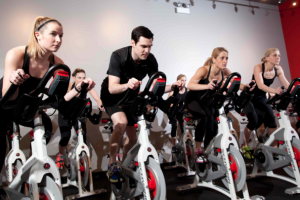
Indoor Cycling – General Overview The concept of indoor cycling is credited to Jonny “G” (Goldberg) who was a form pro cyclist. As a near bicycle accident with a car occurred during a night session while training for the RAAM (Race Across America), he sought a safer way to train. Jonny “G” developed the first…

Proper Running Form Tips Just like everyone has a unique fingerprint, no two individuals look the same when they run. So when thinking about your own running form, keep in mind that you don’t have to look exactly like your favorite professional runner. That being said, there are some common techniques and forms that Heart…

Not a Runner? Here’s how to get Started The thought of going from never running, to doing it almost everyday for fitness is pretty daunting. That’s why at Heart Zones, we want you to know that starting small is actually a BIG WIN. Sometimes all it takes to dramatically improve your fitness and health, is…

What are the Main Benefits of Running? You may be asking yourself, why would I choose to run for a workout, as opposed to other types of exercise such as walking, skating, swimming, or biking. It is a great question. Here at Heart Zones we really believe in the importance of cross-training, so we encourage…
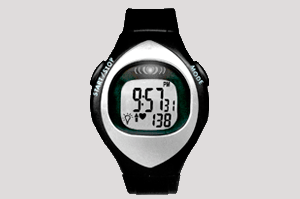
Where the Blink Heart Rate Monitors Started A little History I bought my first heart rate monitor in 1981. I had co-founded Fleet Feet Sports five years earlier and I was on the hunt for a way to run faster and longer. That first monitor, biofeedback device, didn’t look like anything you see today because…

June is upon us and the focus on physical fitness in on. With trips planned, family get togethers arranged, and other social events on the calendar, people reach a peak focus on getting themselves fit! We all want to look good and feel good for these occasions. However, while it is important to “look good”,…
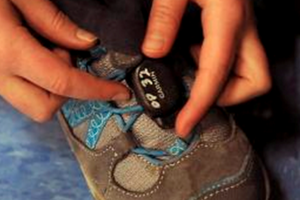
Happy May Heart Zones, Inc fans! This month we are looking to share with you more about wearable fitness technology and help you improve your workouts by finding the right formula for you. With so many different wearable devices out there today, we are excited to help you better understand what is important & what isn’t.…
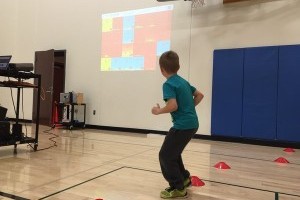
Interested in learning more about Heart Rate Training? Want to learn some of the basics of how to use heart rate monitors effectively for training and feedback? Check out this Ch.1 excerpt from Sally Edwards’ upcoming book Smart PE – Using Heart Rate Sensors and Activity Trackers for Physical Education! Read more…. Chapter One –…
Using Foot Pods for Training A foot pod is a smart* and wearable device that senses the movement of your foot.The foot pod is a class of “activity or fitness trackers” that sends data from an accelerometer to a receiver. The foot pod replaces the pedometer because it provides more powerful data and has the…
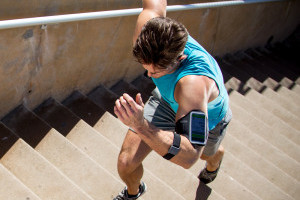
Find YOUR Wearable Device The answer to this question – Which Fits You? – is that it depends. Heart rate monitors measure and monitor the quality of your activity. Activity trackers measure and monitor the quantity of your activity. The two are quite different. Heart rate monitors are measuring the load or the stress on…
Top Fitness Trend for 2014 High-intensity interval training (HIIT) was just crowned the top fitness trend for 2014. This is the first time that HIIT took the number one spot according to the American College of Sports Medicine survey. Also called burst training, the activity involves short period of high heart rate intensity followed by…
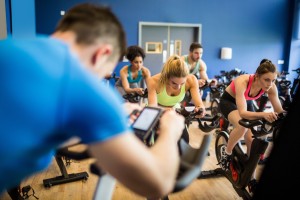
We do better when we do activities together. If you are tired of starting and then quitting a workout program? Ready for a change? There are a lot of different ways to make fitness training a daily habit but I recommend one of the best … camaraderie. That is because we do better whether it…
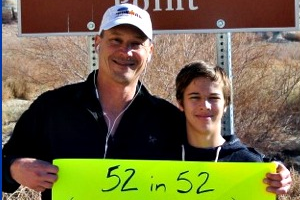
Tony Gaspar | Marathon Fit Prior to listening to you, Sally Edwards, keynote the California International Marathon Expo event in 2011, I had been working on the concept of becoming what I coin as “Marathon Fit” — in such running shape that I could run a marathon anytime with no additional training. Then during your…
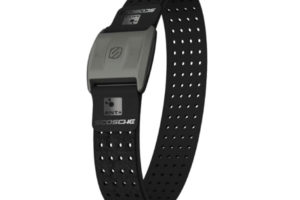
Moving out of the labs and into the streets, wearable technologies have the buzz as they begin to hit gyms and fitness enthusiasts attention. It’s called disruptive technologies and Google Glass is leading the buzzwaves. Moving from “swipes” to voice commands or head gestures or simple tap controls – the new head-up displays can capture…
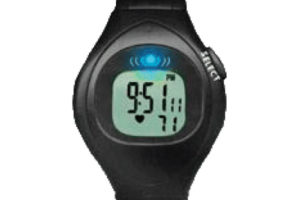
Times have changed. In the old days, circa 1984 when I bought the first commercially available device, all heart rate watches would communicate with each other. Those days are gone. That’s because the transmission, how the transmitter (chest belt) and receiver (watch) connect or communicate has changed. Today, to be an aficionado of mobile training…
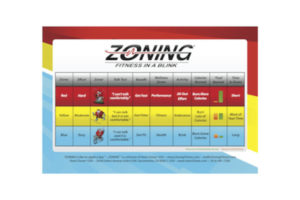
If exercise becomes one of your habits, it becomes automated. No longer do you have to engage in the daily internal dialogue of “Should I workout today?” Doing a workout is no longer on the table for discussion. It becomes habitual – you exercise every day. Daily physical activity isn’t a choice, it’s a requirement of…

Tracking your workouts to see if you do enough exercise is key to insuring that you are getting the right amount of physical activity. Currently, adult health guidelines promote about 30 minutes (about 3,000-4,000 steps at 100 steps per minute) of moderate-intensity daily aerobic activity such as brisk walking. And, walking is one of the…

If you want to save heartbeats or improve your heart health, recent research points to two different non-drug methods: Yoga Meditation Yoga, with its meditation, breathing exercises and sometimes-difficult poses, has been practiced for more than 5,000 years. Because practicing yoga is known for its ability to bring inner peace, the activity is often recommended…

There is emerging a new definition of patriotism. Being strong and being healthy is one of the most patriotic acts that an American can do to get our country back to being at it’s best. In the past, patriotic acts and services would include joining the military, volunteering for a civic cause, displaying–pledging–saluting the flag,…
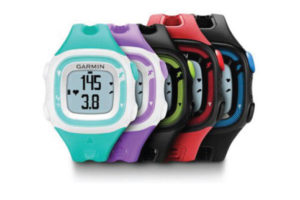
You have choices in selecting a heart rate monitor. One of those choices is whether to choose an analog or a digital transmitter belt and watch or receiver. But, what is the difference between a digital and an analog heart rate monitor? And which of the two is best for you? The answer lies in…

Could Exercise be Risky? Could exercise really be bad for some healthy people? Really? The answer to this recent controversy is – it depends. The new report used six different sound studies involving 1,687 people. The results of this provocative research is that 10% of the participants got worse not better from cardio-exercise as it…

On January 12th, I, Sally Edwards, moderated a panel at Digital Health Summit, part of the CES, Consumer Electronic Show, titled “The End of the Couch Potato: How to use Technology to Motivate”. The question that I posed and asked of the panel is the big hairy one: How do these device tools help you…

Fitness NOT Fat When I co-authored with Lorraine Brown the first book of it’s kind titled Fit NOT Fat in 2003, we showed the research that validated what researchers from University of South Carolina just published (Dec 6, 2011) in the journal Circulation: men who maintain or improve activity can help overall fitness levels, even…

Avoid the Black Hole of Running Hitting the performance plateau is inevitable. You simply can’t improve forever. But when it happens, what do you do? Change (you pick one) your diet, sleep, training partner, pattern, work schedule, life, coach. Rather, what I’d suggest is try a new training system. After 40 years of running and…

Health Coach = Success? Health coaches are specially trained health and fitness-care professionals who do one-on-one consulting in the wellness area of individual’s lives. Take Mike Anderson-Thomas as an example. He is zeroing in on the big Five O birthday. In his heart, he knows that it is time to get healthy. After his annual…

Quick Fix your Fitness Clearly, fad diets, miracle cures, celebrity exercise routines, muscle make-over’s, and overnight phenomenon are most often marketers method of taking your cash in return for false promises and worse for false hope. There are some easy fixes that do work and they deserve their place in our lives. They deserve to…

Most agree, exercise (or call it movement activities) is essential to your health. Today, there’s no argument about that – it is a fact. We all need to do something – mow our lawns, walk the dog, jog, something. But according to a recent study by the Physical Activity Council (PAC), more than 60 million people…

Take out 220 – Age As a pioneer in fitness training, Sally Edwards, MA, MBA created a cardiovascular training system based on five key heart rate training zones, each built on 10% of your maximum heart rate. The system is popularly known as HZT, Heart Zones Trainng. The five zones HZT system was first developed…
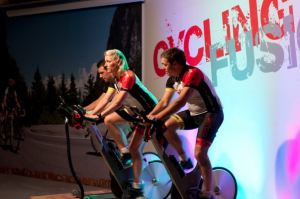
Cycling Fusion + Heart Zones The first fitness training and education company to offer an indoor cycling (IC) certification using power meters and watts-based workouts, Heart Zones is the leader in educating riders using the power of power. Thanks to the early support and encouragement from industry leaders Saris (CyclOps) and Keiser (M3) with their…
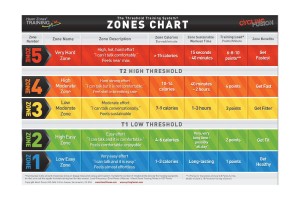
Pinkhouse (aka Paul Camerer) almost 10 years ago, started the first “garage gym” named after the color of his east Sacramento home. Today, he is nearing his 92nd birthday and he wanted to continue to demonstrate that maximum and threshold heart rate do not decline with age as many believe. Pinkhouse is but one example…

Challenges are important. As you age and accomplish longer and harder challenges as I have over the last 40 years of training and racing, it becomes a stretch to create new and more challenging ones. For my 60th birthday just four years ago, I decided on a hairy and audacious one – hike the 2,600…

Don’t Use the Term Anaerobic Exercise Most people may think that the reason you begin to fatigue is that you go “anaerobic” or reach an intensity when there is not enough oxygen for your running muscles to contract. That is, that you reach an effort or intensity levels when the demand for oxygen out-strips the…

Sitting can be a Health Hazard Sitting for long periods of time is hazardous to your health. Even if you are active, you still need to get up often and move. That’s because there is a strong association between sitting too much and mortality risks. Exercise does not cancel out the ill effects of too…

Twenty-five-year-old Maggie needed to lose 1,000 pounds, but the staff members of the Alaska Zoo in Anchorage didn’t know what to do with her robust 9,000-pound body. Maggie had matured into a particularly pudgy pachyderm and was dangerously obese. Following the Heart Zones way, the zoologist devised a new high-fiber, high-fruit diet and then made…

Take a serious glance at America and her northern neighbors to see what is amassing the perfect calamity. Put together this modern scenario: the summation of increased work hours, elimination of physical labor, the popularity of sedentary forms of entertainment, eating nutrient-poor meals outside the home, dangerous environmental conditions, and the generation (born from 1970-1990…
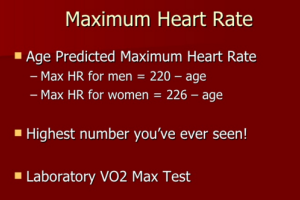
Maximum Heart Rate Disputed When the past president of the American College of Sports Medicine, Carl Foster, Ph. D. said to me recently, “the formula 220-age is worse than useless” I shouted “hooray”. This is the formula for estimating your individual maximum heart rate. This formula is worthless. It is one of the primary reasons…

Imagine yourself approaching the starting line of your first triathlon. The sun is emerging over the eastern horizon. You are in the company of thousands of women who look like experienced triathletes. They are dressed to the nines. They are engaged in their pre-race rituals: racking their bikes, setting up their transition areas, taking off…